If you’ve ever followed a workout plan, stayed consistent, done everything “right” and still felt like your body wasn’t responding the way it should… you’re not imagining it.
For a long time, most fitness advice has been built around the male body. The plans, the diets, even the way progress is measured. And somewhere along the way, many women were left wondering why pushing harder didn’t always lead to better results.
But the truth is, your body isn’t failing you. It’s just different.
There are days when you feel strong, fast, capable like everything is clicking. And then there are days when the same workout feels heavier, slower, harder to get through. That shift isn’t a lack of discipline. It’s physiology.
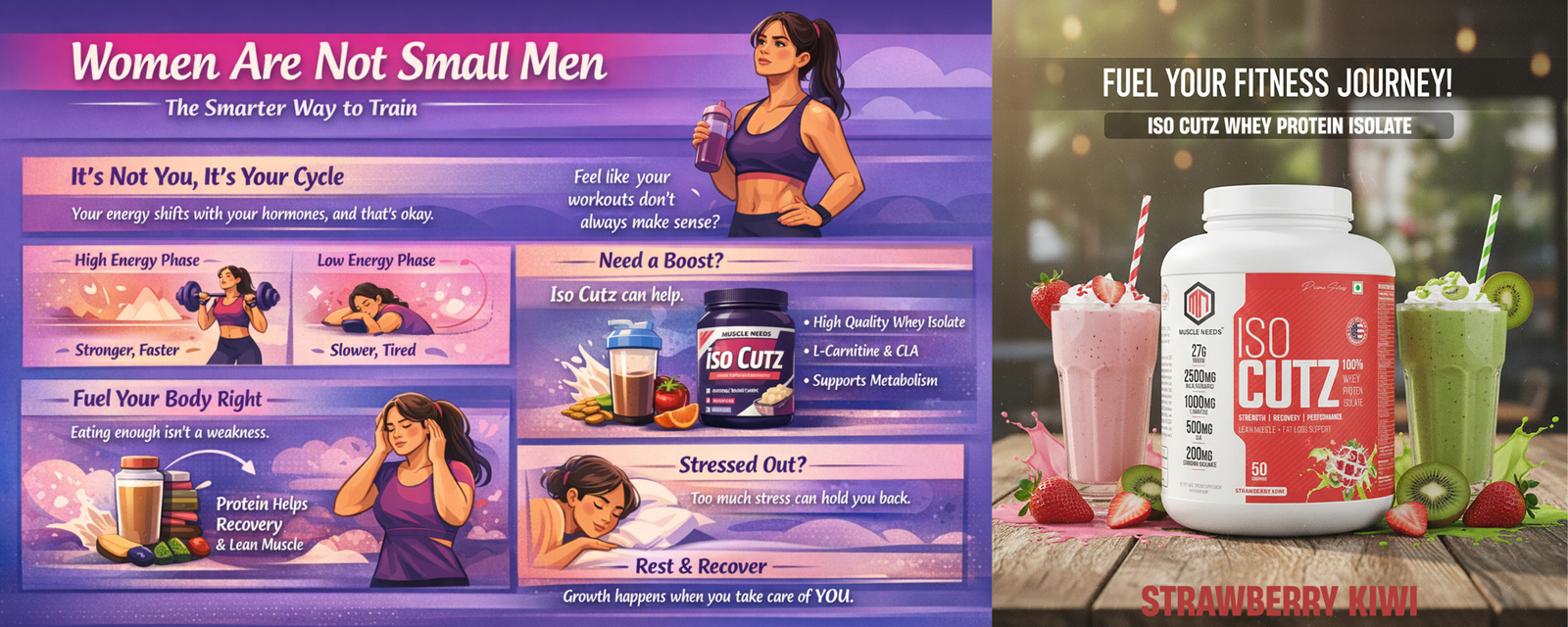
Your body moves through natural hormonal phases every month, and those phases influence energy, strength, endurance, and even how you recover. When you start paying attention to these patterns instead of ignoring them, things begin to make more sense.
In the first half of the cycle, energy often feels more available. Workouts feel sharper, recovery is quicker, and pushing intensity feels natural. This is usually when strength sessions, heavier lifts, or high-effort training feel most aligned.
In the second half, things can feel different. Not worse, just different. The body runs warmer, energy can fluctuate, and recovery may take a little longer. This is where slowing down slightly, choosing steadier sessions, or focusing on movement over intensity can actually work in your favor.
It’s not about doing less. It’s about doing what works with you.
And then there’s strength training, the thing many women are still hesitant about. Not because they don’t want to feel strong, but because of everything they’ve been told about it. The fear of “getting bulky,” of becoming something they’re not trying to be.
But in reality, strength training tends to do the opposite. It builds structure, supports metabolism, strengthens bones, and makes the body more resilient. It’s less about changing how you look, and more about changing how you feel in your body.
Food plays a bigger role than most people realize. Not just what you eat, but whether you’re eating enough. Undereating is more common than it seems, especially when trying to lean out. But over time, it can leave you feeling drained, stuck, and frustrated.
Protein, in particular, becomes important here. It supports repair, helps maintain lean muscle, and keeps recovery on track. But hitting those protein needs every day isn’t always easy, especially with busy schedules or after a long workout when you don’t feel like cooking.
That’s where something simple can help. A clean whey isolate, like Muscle Needs Iso Cutz, can make it easier to support recovery without overthinking it. It’s light, easy to consume, and fits into your day without feeling like a big shift. With added ingredients that support metabolism, it aligns well with goals like building strength while staying lean. Not as a replacement, but as support when you need it.
Another piece that often goes unnoticed is stress.
Not just emotional stress, but physical stress on the body. Hard workouts, lack of sleep, not eating enough, it all adds up. The body responds through cortisol, a hormone that’s helpful in short bursts but exhausting when it stays elevated for too long.
If you’ve ever felt like you’re doing everything right but still feel tired, inflamed, or stuck, it might not be about doing more. It might be about doing differently.
Sometimes, better results come from stepping back just enough to let your body catch up.
Because growth doesn’t actually happen during the workout. It happens after, when your body feels safe enough to recover, rebuild, and adapt.
At the end of the day, this isn’t about following a perfect plan. It’s about understanding your body a little better. Listening a little more. Adjusting without guilt.
You don’t need to push harder to prove anything.
You just need to work with what your body has been trying to tell you all along.